The Charter Committee of Cincinnati, founded in 1924, emerged as a unique local political party in response to the city's notoriously corrupt government under the infamous Boss Cox machine. At the time, Cincinnati was considered the most corruptly governed major city in the United States. Led by Murray Seasongood, the Charter Committee proposed the country's first Council-Manager form of local government. This new charter brought significant reforms, including:
- Replacing political patronage with civil service
- Implementing proportional representation
- Establishing separate Boards and Commissions for various city departments1
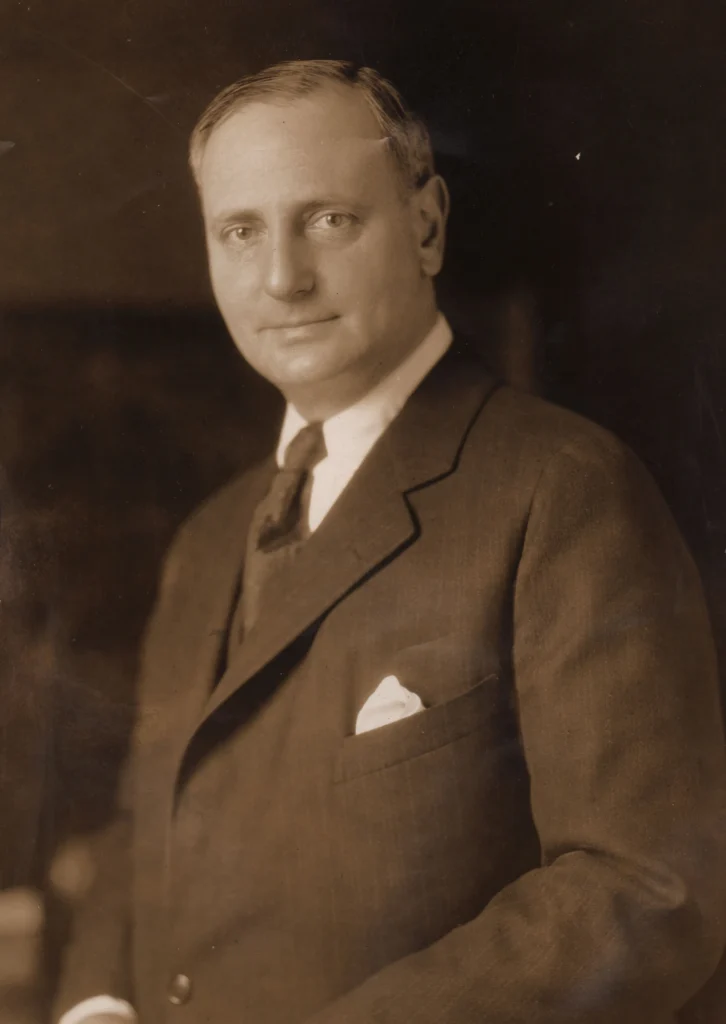
Key Milestones
- 1925: The new municipal charter enacted, establishing a Council-Manager form of government and mandating nonpartisan municipal elections3.
- 1931: Frank A.B. Hall became the first African American elected to Council, thanks to the new proportional representation system7.
- 1935: The first woman was elected to Council7.
Growth and Influence
The Charter Committee quickly became informally allied with the Democratic party against the Republican machine
Over the years, Charterites pursued several liberal and progressive causes, including:
- Reducing pollution
- Establishing cost-of-living wage increases for municipal employees
- Instituting public inventory of municipal property
- Implementing right-to-know laws for hazardous materials
The Charter Committee reached its height of power in the 1950s when it ran city government with Democrats running on the Charter ticket. In the 1970s and 1980s, it formed a coalition municipal government with the Democrats, lasting until 1986.
Notable Figures
Several Charterites have served as Mayor of Cincinnati, including:
- Dot Dolbey (Cincinnati's first woman mayor)
- Theodore Berry
- Bobbie Sterne
- Tom Brush1
Other prominent Charter council members include Arn Bortz, Marian Spencer, Jim Tarbell, Reggie Williams, Roxanne Qualls, Christopher Smitherman, Kevin Flynn, and Yvette Simpson.
Recent Developments
In 1999, voters amended the Charter to strengthen the Mayor's position, giving them more control over Council's agenda, appointments, and the ability to veto Council votes. Further amendments in 2013 and 2019 adjusted term lengths for the Mayor and Council members.As of 2021, the Charter Committee's platform focuses on three main pillars: Return, Reform, and Renew.
The committee continues to be an active presence in Cincinnati politics, advocating for good government and expanding its influence beyond city limits3.In 2024, the Charter Committee celebrated its 100th anniversary, marking a century of influence on Cincinnati's governance. This milestone has sparked renewed interest in the committee, with an influx of new and younger board members coming on in the coming year.
Throughout its history, the Charter Committee has played a crucial role in shaping Cincinnati's political landscape, transforming it from one of the worst-governed cities to one of the best-managed over the course of a decade. Its legacy continues to impact the city's governance and political structure to this day.